31.07.2022
1145


31.07.2022
1145
15.06.2021
800
Judicial debt collection is an important tool for restoring justice and recovering the debt after an unsuccessful settlement of the dispute by peaceful means. This process requires precision, compliance with the law and procedures, and is a legal mechanism. In this article, we will look at the foreclosure procedure and the key rules that must be followed in order to successfully complete this procedure.
At the beginning of the judicial process, attention should be paid to the statute of limitations and the need for pre-trial settlement of the dispute.
The general term of limitation is 3 years. The current legislation gives the parties the right to change the specified term, but only in the direction of increase. The condition for extending the statute of limitations must be set out in the relevant agreement between the parties. Skipping the statute of limitations does not prevent you from going to court, but it should be taken into account that if the defendant files an application for the application of the consequences of skipping the statute of limitations, the claim will be rejected if the court does not establish that the skipping took place in the presence of valid circumstances.
In addition, the statute of limitations may be interrupted if the debtor takes actions that indicate recognition of a debt or other obligation. The legislation does not contain a concrete definition of such actions, however, according to established conclusions of the Supreme Court, such actions are, in particular: recognition of the presented claim; a written letter from the debtor about delaying the payment of the debt; partial payment of debt or penalty; signing an act of reconciliation of mutual settlements, confirming the existence of receivables, etc. If the debtor commits one of the specified actions, the statute of limitations starts from the beginning.
Regarding the need to take measures for pre-trial debt recovery, it should be noted that such measures are mandatory only if they are directly stipulated by the parties in the deed concluded between them. Therefore, if such a condition is stipulated by the parties, then accordingly it must be fulfilled before applying to the court, otherwise the filed statement of claim will be returned to the plaintiff.
Debt collection through the court is carried out in the order of general and simplified legal proceedings. As a rule, simplified proceedings are applicable to minor cases, however, when opening proceedings, the court independently decides on the order in which to consider the case, based on the price of the claim, the importance of the case, the complexity of the case, etc. A simplified case hearing takes place according to the rules of a case in general proceedings, but with certain differences from general proceedings, in particular: without summoning the parties (in the absence of the latter’s request), without holding a preparatory meeting, and court debates.
The legislation establishes the following general terms for consideration of cases in the court of first instance: in simplified proceedings – two months, in general proceedings three months. However, in practice, these deadlines are rarely met and cover a much longer period of time.
After the trial in the first instance, the court makes a decision, which becomes legally binding after the expiration of the period for its further appeal in the appellate procedure. An important feature of judgments that relate to the collection of a debt on which interest or interest is accrued is that in such judgments the court can provide for the accrual of interest or interest until the actual execution of this judgment.
Each of the parties to the case who is dissatisfied with the decision of the court of first instance has the right to appeal it. The deadline for filing an appeal is twenty days from the day the decision is announced, or from the day the full text of the decision is drawn up, whichever occurs later.
The appeal must be considered within two months from the day of the opening of the case proceedings, but in practice this period is longer. As a result of considering the complaint, the appeals court adopts a resolution that immediately enters into force.
If there are reasons, the decision of the court of appeals and the decision of the court of first instance after review in the appellate procedure may be appealed in the cassation procedure within twenty days from the day of its announcement or from the day of drawing up the full text of the decision, depending on which event occurs later.
During the opening of cassation proceedings, the court may decide on the issue of suspending the execution of the court decision, which has entered into force, if the complainant makes a corresponding request. A cassation appeal must be considered within a period of up to two months from the day of the opening of the case proceedings, but in practice this period may be longer. After reviewing the complaint, the court of cassation makes a final decision, which is not subject to further appeal.
It should also be noted that the parties have the right to conclude a settlement agreement (has the force of an executive document) regarding the settlement of the debt dispute during the trial of the case in any court. However, the conclusion of such an agreement in the court of first instance will save time, as the potential risk of the debtor delaying the entire process of judicial foreclosure due to the mechanisms of appeal and cassation appeal of the relevant judges’ decisions will disappear.
After the successful completion of the judicial collection, if the debtor does not voluntarily comply with the court decision or the resolution approving the settlement agreement, it is necessary to initiate enforcement.
25.01.2024
340
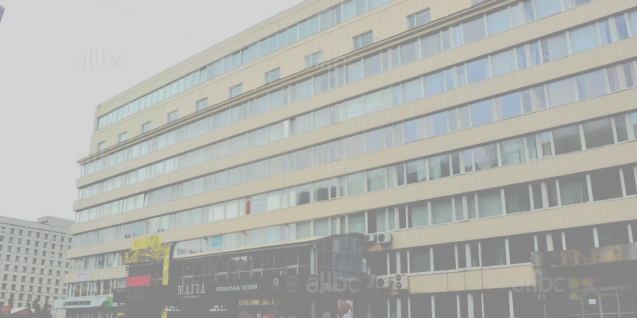
01133, Kyiv, blvd. Lesi Ukrainky 26 (block L26), office 613
Email Phone number+380443395088
We workSchedule: from 10:00 to 18:00
Weekend: Sunday
Entrust the settlement of legal disputes to the GRANDLIGA team of professionals! Get the highest level of legal services.
We are ready to start discussing your task. We will contact you shortly.
Back